
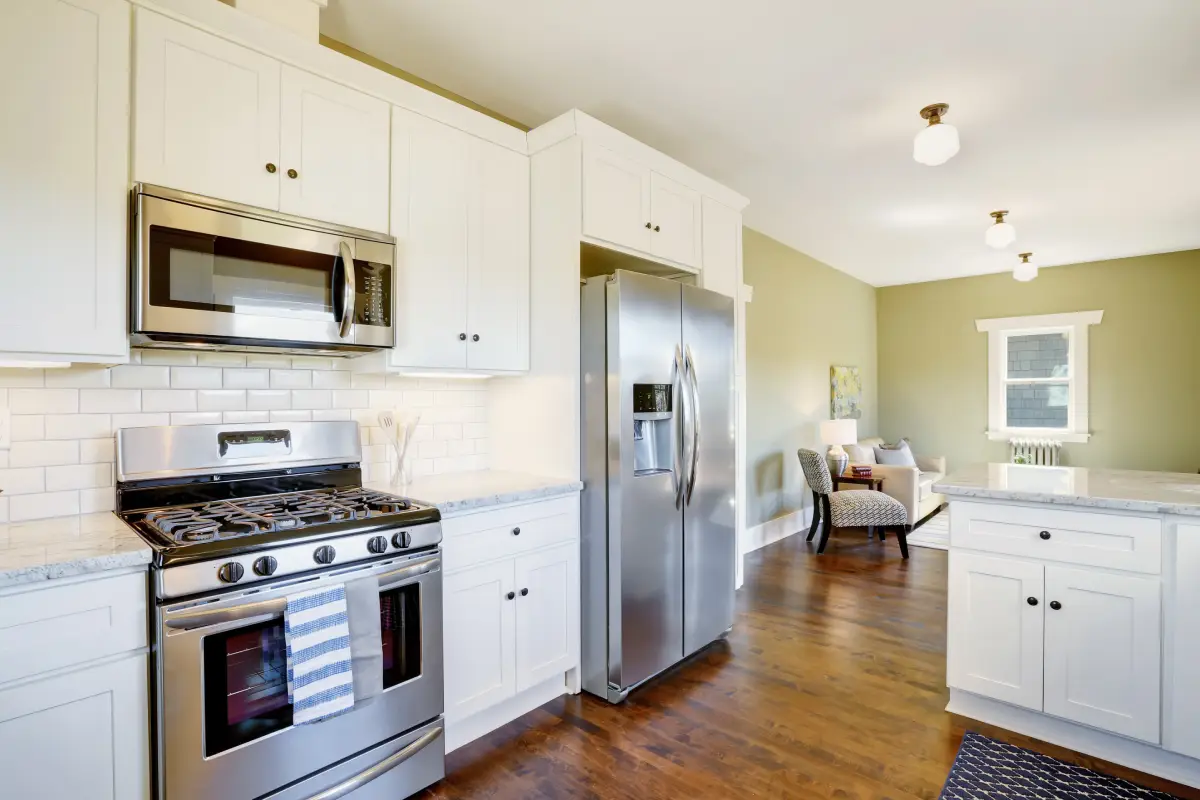
Early impressions often form from how a space feels rather than how it measures, and context drawn from resources like this look at rental performance benchmarks can shape how renters evaluate a layout before they ever think about square footage. In Dallas’s residential rental market, floor plans influence how easily daily routines unfold, how comfortable tenants feel settling in, and how consistently a property performs over time.
At PMI North Dallas, we help residential property owners focus on functionality that lasts beyond move-in day. This article examines how intentional floor plan decisions can improve livability, reduce operational stress, and support stronger rental outcomes across Dallas-area homes.
Key Takeaways
- Floor plans play a major role in leasing speed and tenant retention.
- Bedroom placement affects privacy and shared household dynamics.
- Flexible spaces support evolving work and lifestyle needs.
- Kitchen, laundry, and storage layouts shape daily efficiency.
- Thoughtful layouts help reduce wear and maintenance strain.
Living Areas That Encourage Natural Flow
The main living space often determines whether a rental feels comfortable or constrained. Renters tend to respond positively to layouts that feel easy to navigate rather than broken into awkward sections.
Open living areas allow light to move naturally and help rooms feel more connected. According to the National Association of Home Builders, 54% of new homes now feature open kitchen and dining designs, reflecting ongoing renter preference for shared, flexible spaces.
Built for Everyday Use
Layouts perform best when they support daily habits rather than formal entertaining alone. Renters value spaces that work equally well for shared meals, relaxed evenings, and casual gatherings.
Indoor and Outdoor Connection
Patios and yards extend usable living space. In Dallas, outdoor access often plays a role in how renters evaluate livability during showings.
Bedroom Placement That Supports Privacy
Bedroom layout directly influences how a household functions. Thoughtful placement reduces noise conflicts and supports personal space.
Practical Separation
Split-bedroom layouts allow occupants to maintain privacy while still sharing common areas. This arrangement works well for families, roommates, and shared households.
Managing Noise and Movement
Bedrooms placed away from kitchens and living rooms experience fewer interruptions. This matters for renters working from home or maintaining varied schedules.
Private Spaces That Encourage Stability
Functional closets and private bathrooms help tenants settle in comfortably. When sleeping areas meet daily needs, tenants are more likely to renew.
Flexible Rooms That Adjust Over Time
Many renters now expect homes to serve multiple purposes. Work, study, and creative activities often take place within the same footprint.
Current workforce data shows 36.07 million remote part-time workers across the United States, reinforcing the need for adaptable layouts.
Multi-Use Space Planning
Flex rooms, lofts, or bonus areas allow tenants to adjust how space is used without structural changes. These rooms may function as offices today and guest rooms later.
Homes designed with adaptability often align with strategies discussed in this overview of portfolio management strategies, where versatility supports long-term value.
Kitchens and Laundry Areas That Support Daily Routines
Kitchens and laundry areas influence daily habits more than nearly any other spaces. Layout efficiency often matters more than decorative finishes.
Practical Kitchen Design
Clear paths between appliances improve usability. Adequate counter space and logical cabinet placement help renters imagine daily cooking without frustration.
Owners who protect these areas often rely on guidance found in this breakdown of tenant maintenance responsibilities, which helps preserve high-use spaces over time.
Laundry Placement That Feels Intentional
In-unit laundry remains a strong expectation in Dallas rentals. Placement should feel accessible without interrupting main living areas.
Layout Considerations for Pets and Shared Living
Pets and shared households are common across Dallas rentals. Floor plans that accommodate them tend to perform more consistently.
- Open sightlines support shared routines and supervision.
- Durable flooring reduces wear in high-traffic areas.
- Outdoor access supports active lifestyles.
When these elements align with smart policies outlined in this guide on pet-friendly leasing, properties often attract stronger applications.
Storage and Accessibility That Improve Comfort
Storage often determines whether a home feels organized or cluttered. Even well-sized homes can feel limiting without adequate storage.
Storage That Supports Organization
Closets, pantries, linen cabinets, and garage space help renters settle in comfortably and maintain order.
Flow and Accessibility
Single-story homes appeal to many renters, while multi-level layouts perform best when bedrooms and bathrooms are arranged logically. Direct garage access improves daily routines.
Owners who assess layout efficiency alongside insights from rental inspections often identify usability issues early.
How Floor Plans Affect Long-Term Wear
Beyond comfort, floor plans influence how a property ages. Traffic patterns, room connections, and placement of high-use areas all shape wear.
Homes with narrow corridors often concentrate foot traffic, leading to uneven flooring wear. Layouts that distribute movement more evenly tend to age more gradually.
Room placement also affects system strain. Kitchens far from dining areas may see heavier appliance use, while laundry rooms along main walkways can experience higher moisture exposure. Thoughtful layouts reduce these pressures naturally.
Understanding these patterns helps owners align materials and finishes with real-world use, preserving condition and managing maintenance costs.
FAQs about Creating the Best Floor Plan in Dallas, TX
How do floor plans influence how tenants use space over time?
Layouts guide daily behavior. When rooms connect logically and traffic flows evenly, tenants tend to use spaces more consistently, which supports comfort while reducing strain on specific areas of the home.
Why does layout efficiency matter for long-term leases?
Efficient layouts reduce daily friction. When tenants don’t need to work around awkward room placement or poor flow, the home feels easier to live in, which often encourages longer stays.
Can floor plan design affect how renters furnish a home?
Yes. Well-proportioned rooms and clear wall space make it easier for tenants to furnish comfortably. When furniture fits naturally, renters are more likely to feel settled and invested in the space.
What layout features help reduce household conflicts?
Clear separation between shared and private areas helps manage noise and schedules. This is especially valuable in multi-occupant homes where routines and privacy needs vary.
How can owners tell if a floor plan no longer fits renter expectations?
Patterns of feedback about storage limitations, noise transfer, or awkward room use often indicate that a layout may need adjustment to better support modern living habits.
Keeping Dallas Rentals Functional Long After Move-In
A smart layout influences how a home feels at first glance, but lasting performance depends on how well that space holds up through everyday use. In Dallas, rentals that continue to attract quality tenants are often the ones where wear, usage patterns, and maintenance needs are addressed with intention rather than reaction.
At PMI North Dallas, we focus on preserving how residential properties operate over time, paying close attention to the areas tenants rely on most. Take the next step to protect your property’s daily operations with support that helps your rental remain dependable, efficient, and well-positioned for steady returns.
When practical design is reinforced with ongoing care, rental homes stay livable, consistent, and easier to manage across multiple lease cycles.
